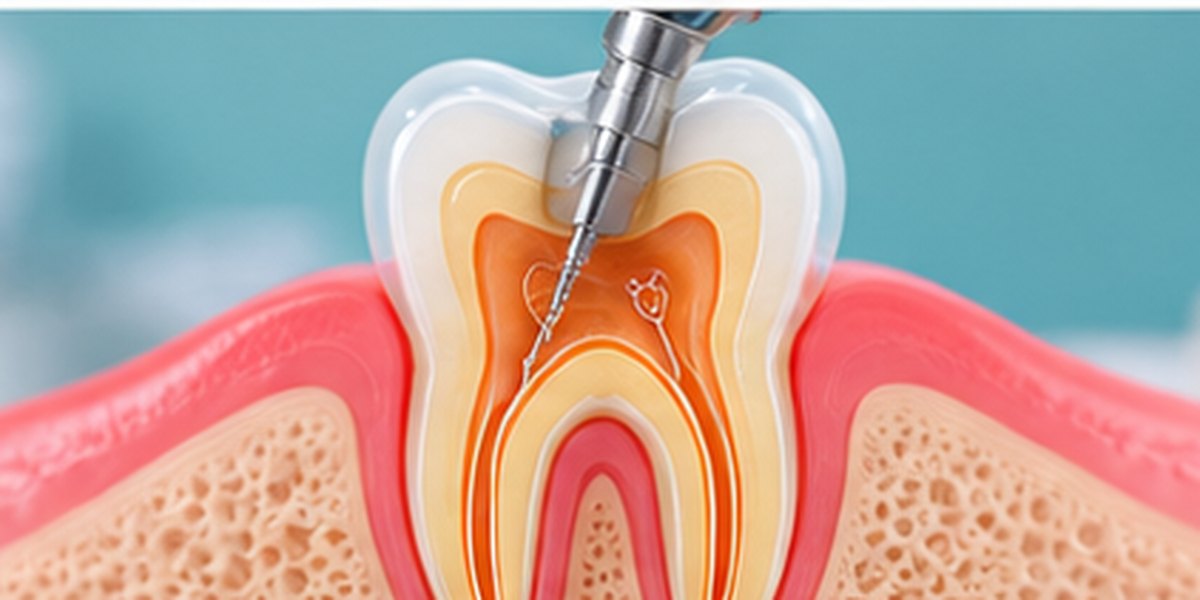
Root Canal Treatment
Often the alternative to losing the tooth — worth asking about first.
Read about root canals Dental Studio
by Dr Fatima
Simple and surgical extractions, impacted wisdom teeth included, at Plot F-881 in Satellite Town — opposite Gate 3 of Holy Family Hospital.
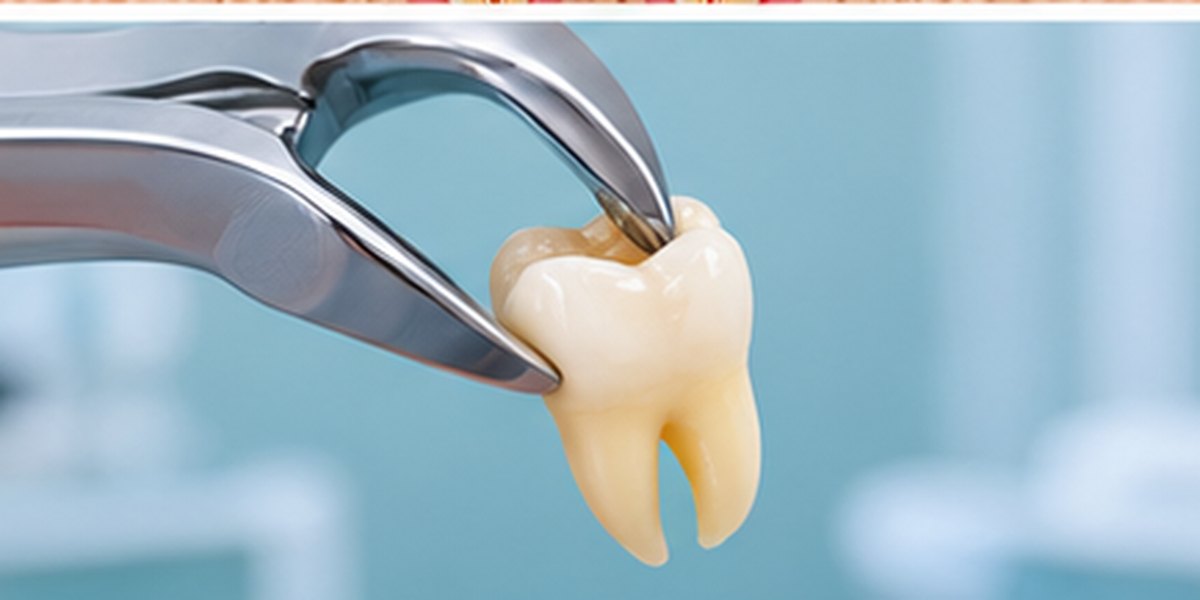
An extraction is the removal of a tooth that cannot be repaired or should no longer stay. A simple extraction lifts out a tooth that is loose or fully visible above the gum. A surgical extraction is needed when the tooth has broken at the gum line or is still buried in bone: the gum is lifted, a little bone may be removed, and the tooth sometimes divided.
The usual reasons are decay too deep to restore, a crack down the root, gum disease that has loosened the tooth, or a wisdom tooth that keeps trapping food and infecting the gum over it. An X-ray settles whether the tooth can be saved before anything is agreed.
Most extractions are finished in one visit under local anaesthetic. Dr Linta Gulraiz, our resident maxillofacial surgeon, takes the surgical and impacted cases.
A digital X-ray, taken by the Modern Diagnostic Centre lab on our premises, shows the root shape and how close the tooth sits to the nerve or sinus.
Local anaesthetic goes in and we test the tooth before touching it. You should feel pressure, never sharpness. Say so and we top it up.
A straightforward tooth is loosened and lifted. A broken or impacted one is reached through a small gum flap and often divided first — gentler than forcing it whole.
The socket is cleaned, stitches go in if the gum was opened, and you bite on gauze until bleeding stops. You leave with written aftercare.
A simple extraction is about twenty minutes in the chair. A surgical or impacted wisdom tooth usually runs to forty-five minutes or an hour, most of that spent going slowly.
Bite on the gauze for thirty to forty-five minutes and bleeding normally stops. For the first day do not rinse, spit, smoke or use a straw — that is what dislodges the clot. Swelling peaks on the second day and eases from the third; a cold pack helps. Most people are back on normal food within a week. Message us if pain sharpens after day three.
Book this treatmentDr Linta Gulraiz is a resident in Oral & Maxillofacial Surgery, so awkward roots and impactions are handled here, not referred on.
You are given a slot and seen at it — no morning on a bench with a swollen face waiting your turn.
We keep time back each day for people in pain, six days a week, until ten at night.
The tooth is fully numb first, so you feel firm pressure and movement rather than pain. Afterwards most patients find ordinary painkillers enough for two or three days.
No. One that has come through straight and stays clean can be left alone. We remove the ones that trap food, decay, press on the tooth in front, or keep infecting the gum.
It is the loss of the blood clot from the socket, usually after rinsing or smoking too soon. The pain arrives around day three and needs a dressing, so message us.
For a back tooth, usually yes. The gap lets neighbouring teeth drift and the opposing tooth over-erupt. An implant, bridge or denture can fill it once healed.
Often the alternative to losing the tooth — worth asking about first.
Read about root canals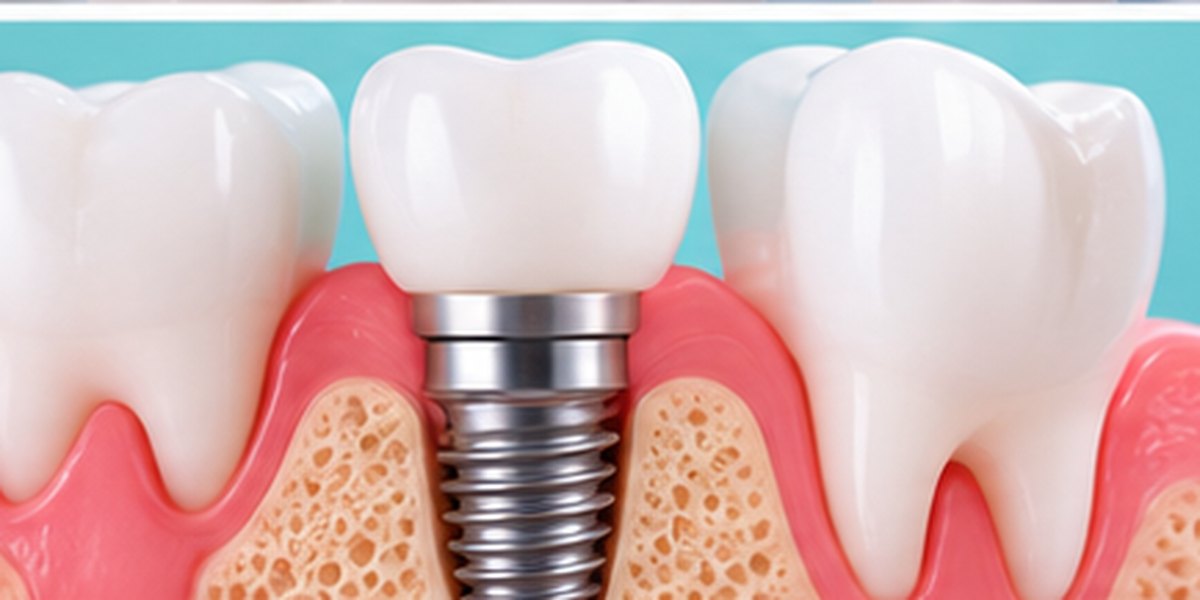
Fills the gap once the socket has healed, without touching the neighbouring teeth.
Read about implants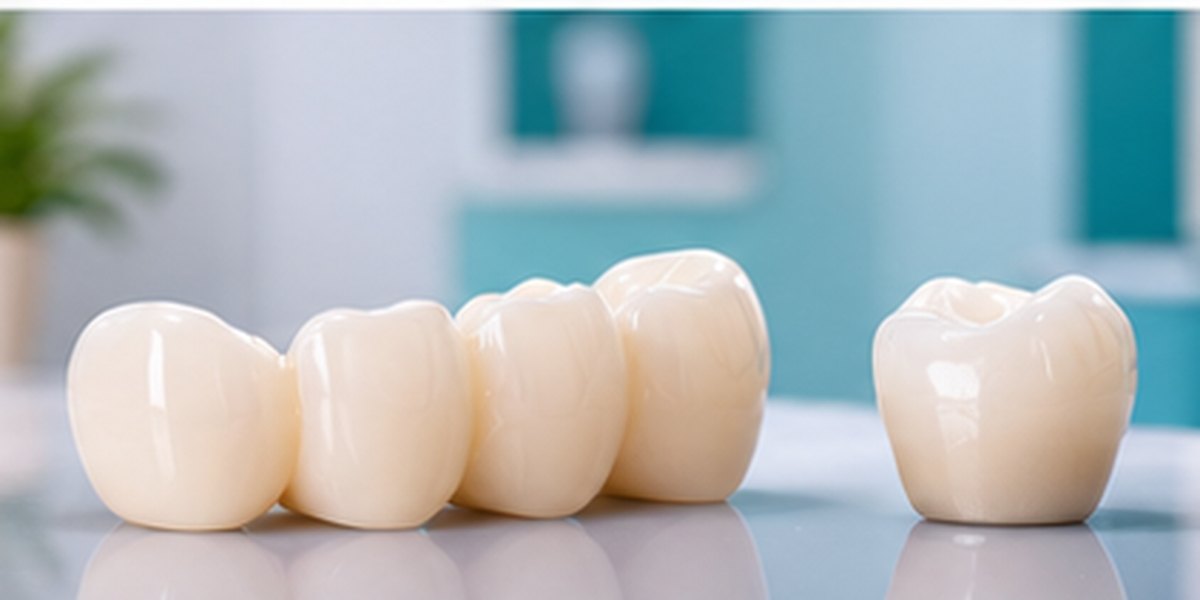
A bridge spans the gap using the teeth either side of it.
Read about crowns & bridgesPlot F-881, opposite Gate 3, Holy Family Hospital, Satellite Town, Rawalpindi · +92 303 3347444
Mon–Sat 10:00 AM – 10:00 PM · Friday prayer break 12:30–3:00 PM · Sunday closed